Latest News
-
 Skydiving as a Confidence Booster: How One Jump Can Change Your Life September 20, 2026
 -
 How to Convince Your Parents to Let You Skydive September 19, 2026
 -
 How to Land a Parachute Safely: A Beginner’s Guide September 18, 2026
 -
 Static Line vs AFF: Choosing Your Path to Solo Skydiving in 2026 September 17, 2026
 -
 Skydiving A License: Your Passport to the Skies September 16, 2026
How are Skydiving Videos Filmed? Behind the Scenes of Aerial Cinematography
June 4, 2026 12:00 amWhat if the most breathtaking moment of your life happened at 120mph and you didn’t have a single clear photo to prove it? You’re screaming toward the earth with your heart pounding and adrenaline surging through your veins. It’s a total sensory overload. You want to relive every second, but you might wonder exactly how are skydiving videos filmed without the camera flying away or ending up a blurry mess.
You’ve probably seen those incredible shots on social media and felt a mix of awe and a little bit of worry. It’s totally normal to wonder if a camera can really survive a high-speed plummet or if the price difference between video packages is actually worth it. We’re pulling back the curtain on the elite technology and professional skills that capture your freefall in stunning high definition. You’ll discover how we keep the gear secure and the footage crystal clear while hurtling through the sky. This guide breaks down the difference between handcam and outside camera flyers, shows you how to prep for your close-up, and proves why your skydiving memories are in the safest hands possible.
Key Takeaways
- Learn exactly how are skydiving videos filmed using two distinct methods to capture every heart-pounding second of your jump.
- Discover the specialized, snag-resistant technology that ensures your 4K footage is both stunning and completely safe.
- Witness the elite body-flight skills photographers use to steer through the air and stay perfectly in position for the shot.
- Unlock the simple hand signals and camera interactions that will make you look like a natural-born adventurer on screen.
- Find out how professional post-production weaves your entire journey together into a cinematic masterpiece you’ll watch forever.
Capturing the Adrenaline: The Two Ways Skydiving Videos are Filmed
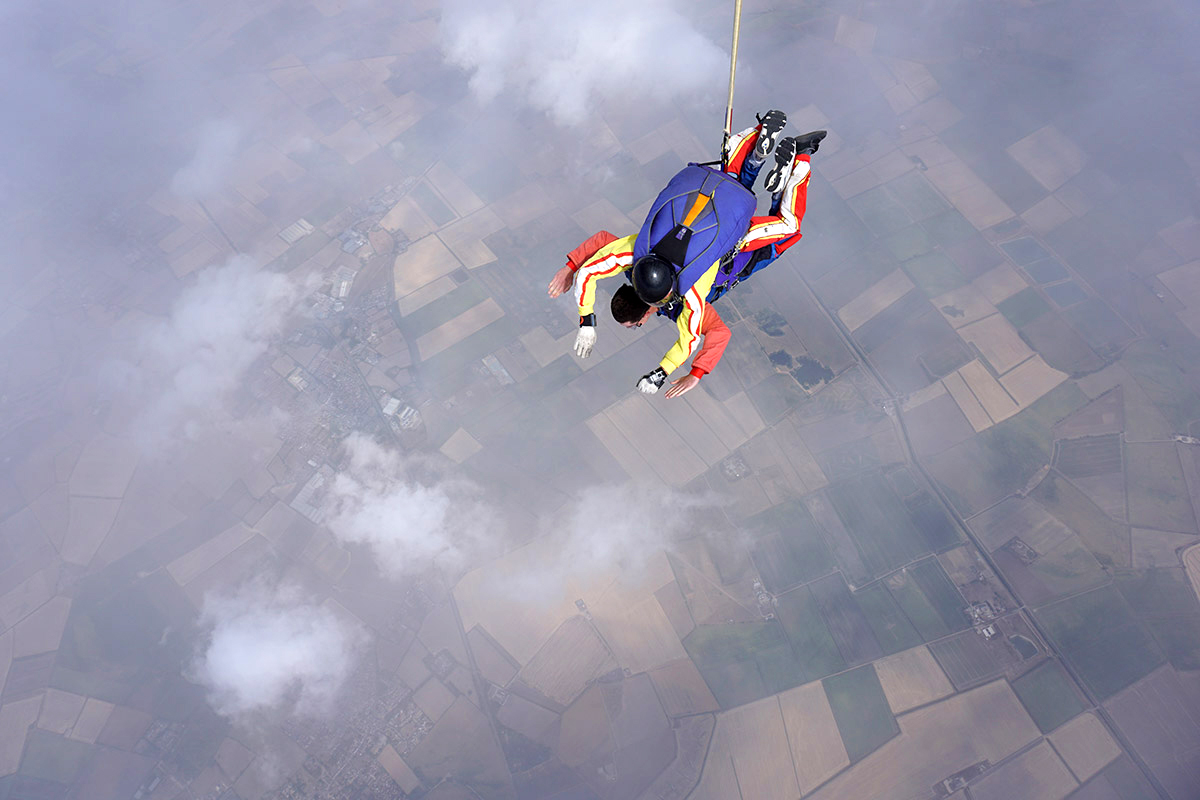
Imagine falling through the crisp air at 120mph while the world shrinks beneath your feet. You’re living a peak life event, and you want every heart-pounding second saved forever. But how are skydiving videos filmed when you’re moving at terminal velocity? It’s a masterclass in combining cutting-edge technology with elite human skill. We use two primary methods to document your journey. You can choose between an instructor-worn handcam or a dedicated outside camera flyer. Both options utilize modern action cameras that deliver stunning 4K resolution. This ensures your footage is crisp, vibrant, and professional even in the middle of an intense freefall.
Safety is the foundation of everything we do. Every filming technique and piece of equipment must adhere to the rigorous safety standards set by British Skydiving. We ensure that capturing your memories never compromises the technical safety of the jump. Choosing between these two filming styles will completely change the perspective of your final movie. One offers an intimate, high-energy “selfie” vibe. The other provides a wide-angle, cinematic experience that looks like it belongs on the big screen. Our Video and Photo Packages are designed to give you exactly the kind of memento you’ve always dreamed of.
The Instructor Handcam Perspective
This is the ultimate choice for capturing raw, unfiltered emotion. Your tandem instructor wears a high-definition, wide-angle camera securely on their left wrist. Because the lens is positioned just inches from your face, it catches every gasp and grin during the initial exit and freefall. It’s incredibly personal. You get to see your own reaction the moment you realize you’re actually flying. An added bonus of the handcam is the coverage after the parachute opens. It stays with you through the entire canopy flight, filming your conversation with the instructor and the peaceful glide back to the landing zone.
The Outside Freefall Photographer
If you want to feel like the star of an action movie, the outside camera flyer is your best bet. A professional photographer jumps out of the aircraft right alongside you. They aren’t just falling, they are using their arms and legs as wings to steer through the air. They can circle around you to capture breathtaking 360-degree views of the horizon and the aircraft disappearing into the distance. This perspective showcases the true scale of the sky and your incredible speed. It’s a cinematic masterpiece that puts your entire Tandem Skydive Experience into a grand, epic context.
The High-Tech Gear Behind the Freefall Action
Capturing a masterpiece at terminal velocity requires more than just a steady hand. It takes specialized, battle-tested equipment designed to thrive where ordinary electronics fail. When people ask how are skydiving videos filmed, they are often surprised to learn that the cameras are just one piece of a complex safety puzzle. We rely on industry-standard GoPros because they are built to handle the extreme vibration and wind pressure of a 120mph freefall. These tiny powerhouses deliver professional 4K resolution without adding dangerous bulk to the jumper. It’s the perfect marriage of size and power.
Safety is our absolute priority. In the UK, instructors must have hundreds of jumps under their belt before they are even allowed to fly a camera. This experience is vital. It ensures they can manage the aircraft exit, the freefall, and the parachute deployment without the camera becoming a distraction. Every device is double-secured. We use specialized tethers to ensure that even if a mount fails, your precious footage stays with the team. You can focus entirely on the thrill while we handle the technical details of how are skydiving videos filmed. If you’re ready to see this technology in action, take a look at our professional Video and Photo Packages for your next jump.
Action Cameras and Protective Housings
The environment at 13,000 feet is brutal. Cameras must withstand freezing temperatures and massive wind pressure that would rattle a standard camera to pieces. We use high frame rates to ensure the footage remains buttery smooth even during fast maneuvers. Modern action cameras also feature incredible electronic image stabilization. This technology digitally removes the “shake” caused by the rushing wind. The result is a crystal-clear video that looks like it was filmed on a steady tripod in the sky.
Helmet Mounts and Safety Release Systems
How we attach the gear is just as important as the camera itself. Professional camera helmets are sleek and snag-resistant. This means they are designed with a smooth surface to prevent parachute lines from catching on anything during deployment. Many of these helmets even feature a “cut-away” system. This is a quick-release handle that allows the jumper to ditch the helmet instantly in an emergency. We also carefully balance the weight of the cameras to prevent neck strain. This keeps the photographer agile and focused on getting your best angles.

The Art of Aerial Cinematography: Flying the Camera
Imagine a professional athlete dancing through the air right next to you at 120mph. This is the heart-pounding magic of air-to-air filming. It is a high-stakes, high-energy performance where the photographer uses their entire body as a flight control surface. By tilting their hands, extending their legs, or arching their back, they can zoom in or out with pinpoint accuracy. If you have ever wondered how are skydiving videos filmed with such incredible precision, the answer lies in these elite body-flight skills. These flyers are not just falling. They are piloting their bodies to ensure you look like a total superstar in every frame.
This level of coordination is a masterclass in aerial awareness. The photographer must anticipate every move you and your instructor make before it even happens. It requires hundreds of hours of practice to remain calm and stable while the wind screams past at terminal velocity. They are constantly adjusting their surface area to stay perfectly level with you. This dedicated focus ensures that your Tandem Skydive Experience is captured with professional clarity and breathtaking composition. You can feel completely confident knowing that a seasoned expert is right there to document your most triumphant moments.
Relative Work and Maintaining Distance
Maintaining a steady distance of exactly 2 to 3 metres is the gold standard for a great shot. It requires incredible focus and constant micro-adjustments. The photographer has to match your fall rate perfectly, which can change based on your body position. They also have to master “burble” management. The burble is a pocket of turbulent, low-pressure air created directly behind the tandem pair. If the photographer falls into this wake, they could lose stability or drop away. They use subtle visual signals with your instructor to stay in sync and keep the framing perfect throughout the entire freefall.
Handling the Opening Shock and Landing
The finale of the freefall is just as choreographed as the start. Before your instructor deploys the parachute, the photographer must “track away” to create a safe distance. They flatten their body into a sleek, aerodynamic shape to gain horizontal speed and move far clear of your opening canopy. Safety is the priority here. The photographer usually opens their own parachute at a lower altitude to stay out of your way. This also gives them the speed to land first. They will be waiting on the grass with their cameras ready to capture your triumphant touchdown and that first, incredible rush of emotion when your feet hit the earth.
Starring in Your Own Movie: Tips for the Best Footage
You are the leading star in your own high-altitude blockbuster. While the technology we use is incredible, your energy is the “X-factor” that turns a good video into a legendary one. Understanding how are skydiving videos filmed is the first step to becoming a natural on screen. You aren’t just a passenger in this experience. You are an active participant in a piece of aerial art. Your camera flyer will act as your personal director. They might give you a “thumbs up” or a wave to signal when they are in position. Follow their lead and have fun with it. This is your moment to shine.
It is completely normal to feel a massive rush of nerves as the aircraft door opens. Just remember to breathe and relax your body. When you hold your breath, your muscles tense up and it shows on your face. A relaxed jumper always looks more heroic and comfortable in the air. A little bit of “acting” goes a long way when the lens is on you. Think of this as your audition for a professional action movie. If you’re ready to see yourself as the hero of the story, our Video and Photo Packages are the best way to secure your spot in history. We make sure every grin and high-five is caught in stunning detail.
Body Position and Eye Contact
Keep your chin up! It is very tempting to stare at the ground as it rushes toward you from 13,000 feet. Instead, look directly at the photographer or the instructor’s wrist camera. Eye contact creates a powerful emotional connection for anyone watching your video later. Avoid “tucking” your head into your chest. This can make you look small in the frame and hides your face from the lens. Use big, bold gestures that the camera can easily see. A huge wave or a peace sign looks fantastic from a few metres away. These movements show the world you are truly conquering the sky with confidence.
Managing Your Facial Expressions at 120mph
The wind at terminal velocity is a powerful force. It will try to move your cheeks and change your expression. Keep a firm, confident smile to combat the “wind-face” effect. It helps to press your lips together or hold a wide, intentional grin. Try to avoid shouting or screaming at the top of your lungs. Since the wind noise is too loud for audio during freefall, shouting can just look like a distorted facial expression on camera. Focus on the horizon during the exit. This helps the camera capture the best lighting and the most epic angles as you leave the aircraft. You want that first moment of flight to look as majestic as it feels.
Reliving the Thrill: Post-Production and the Final Edit
Your feet are back on solid ground. Your heart is still racing. The physical jump is finished, but the journey to your final movie has just begun. Many people focus purely on the gear and the jump itself when asking how are skydiving videos filmed, but the post-production phase is where we turn raw data into a heart-stopping story. Our editors are the unsung heroes of your adventure. They take the multiple angles captured during your experience and weave them into a seamless narrative that you can watch over and over again. This process transforms a collection of clips into a permanent, life-altering memory.
A great edit is about rhythm and energy. We don’t just dump the footage into a file. We carefully sync the most intense moments of your freefall to a high-octane soundtrack that matches the pace of your jump. We combine shots from the ground briefing, the nervous plane ride up, the epic exit, and the triumphant landing. Digital delivery means you won’t have to wait weeks to show off your bravery. You can share your achievement on social media almost instantly. This is your chance to let your friends and family see the world from your perspective at 13,000 feet. Our Video and Photo Packages ensure that no part of your journey is left on the cutting room floor.
From Raw Footage to Cinematic Highlight Reel
The editing team sifts through every second of footage to find the gold. They select the most exciting 3 to 5 minutes of your entire experience to create a punchy highlight reel that stays engaging from start to finish. We love using slow-motion effects during the moment of exit to emphasize the transition from the aircraft to the open sky. Color grading is the final touch. We enhance the blues of the horizon and the sharpness of the landscape to ensure your video looks like a professional production. It’s about making the reality of the sky look as vivid as it felt in your mind during that 120mph rush.
Why a Professional Video Package is Essential
A skydive is a massive life milestone. It is a transformative moment that deserves more than just a blurry memory. During the jump, you will likely enter a state of “sensory overload” where your brain struggles to process the sheer speed and height. It is very common for jumpers to forget large parts of the freefall because the adrenaline is so high. Having professional documentation allows you to fill in those gaps. Watching your video helps you process the accomplishment and relive the triumph with your loved ones for years to come. You only get one first jump. Don’t let it fade away without a record of your courage.
Capture Your Legend in the Sky
You now have a front-row seat to the incredible world of aerial cinematography. From the specialized, snag-resistant mounts to the elite body-flight skills of our photographers, every detail is designed to make you look like a hero. We’ve explored the micro-adjustments needed to stay perfectly in frame while you plummet at 120mph. Now that you understand how are skydiving videos filmed with such precision, there is only one thing left to do. It’s time to step into the spotlight and create a memory that will last a lifetime.
Our team at UK Skydiving in Cambridgeshire serves thrill-seekers from London and the North with world-class expertise. Every Video and Photo Package we offer includes professional 4K high-definition editing to ensure your milestone looks spectacular. You’ll be supported by expert camera flyers who have thousands of jumps under their belts. They know exactly how to capture your most triumphant moments while keeping safety as the absolute priority. Don’t let this life-altering memory fade away. Book your Tandem Skydive Experience with a video package today to secure your spot. We are ready to help you show the world what you’re made of.
Frequently Asked Questions
Is it worth getting a video for my first skydive?
Absolutely. It is the only way to relive a peak life event that passes in a 120mph blur. Most first-timers experience sensory overload and forget the finer details of their freefall almost immediately. A professional video lets you share your triumph with friends and family forever. It turns a fleeting moment into a permanent, high-definition memory of your incredible bravery.
Can I bring my own GoPro or camera on the jump?
No, you cannot bring your own camera equipment on a tandem jump for safety reasons. British Skydiving regulations require jumpers to have a significant amount of experience before they are allowed to carry cameras in the air. This prevents dangerous distractions and snag hazards during the parachute deployment. Our professional team handles all the filming so you can focus entirely on the adrenaline rush.
What happens if the camera flyer misses the exit?
Our camera flyers are elite professionals with thousands of jumps and they rarely miss a beat. They are positioned outside the aircraft door or exit immediately after you to capture every second of the action. Their entire job is to be your personal aerial director. They stay in a perfect position from the moment you leave the plane until the parachute opens.
Does the wind noise ruin the audio of the video?
The wind at terminal velocity is incredibly loud and usually reaches over 100 decibels. We don’t record audio during the freefall itself because it would just be a roar of white noise. Instead, we use high-energy music in post-production to match the intensity of your jump. We do capture the audio on the ground and inside the aircraft so you can hear your nervous excitement before you fly.
How long does it take to get my edited skydive video?
You will typically receive your professionally edited video on the same day as your jump. Our editors work fast to combine the best angles and shots into a cinematic highlight reel. We deliver the final product digitally so you can upload your achievement to social media almost instantly. You’ll be reliving the thrill before the adrenaline even wears off your system.
Is it safe for the instructor to film while jumping?
Yes, it is perfectly safe because our instructors undergo rigorous training to manage both the jump and the camera. When people ask how are skydiving videos filmed safely, the answer is always experience. Instructors must have hundreds of jumps before they are cleared to use handcam equipment. The camera is securely mounted and does not interfere with the operation of the parachute or any safety procedures.
Can I get both photos and video of my skydive?
Yes, you can absolutely get both high-resolution photos and 4K video of your experience. Our Video and Photo Packages are designed to give you the best of both worlds. You’ll get stunning still shots perfect for framing and a cinematic movie to share online. It is the ultimate way to document your Tandem Skydive Experience from every possible angle and perspective.
What is the difference between Handcam and Outside Video?
Handcam is a wrist-mounted camera worn by your instructor for intimate, close-up shots of your facial expressions. Outside Video involves a separate camera flyer who jumps with you to capture wide-angle, cinematic views of the horizon. Both methods are incredible ways to show how are skydiving videos filmed. Choosing the Outside Video package gives you that true movie star feel as you fall through the sky.
Categorised in: Blog